When homeowners try to plan their landscape, they often lump everything together. Front yard vs backyard vs side yard… They’re all the same, right? The fact is, these spaces don’t play the same role. When you treat every area the same, you end up wasting space and missing out on what your outdoor living space could actually do for you.
Front Yard Vs Backyard: What’s the Difference?
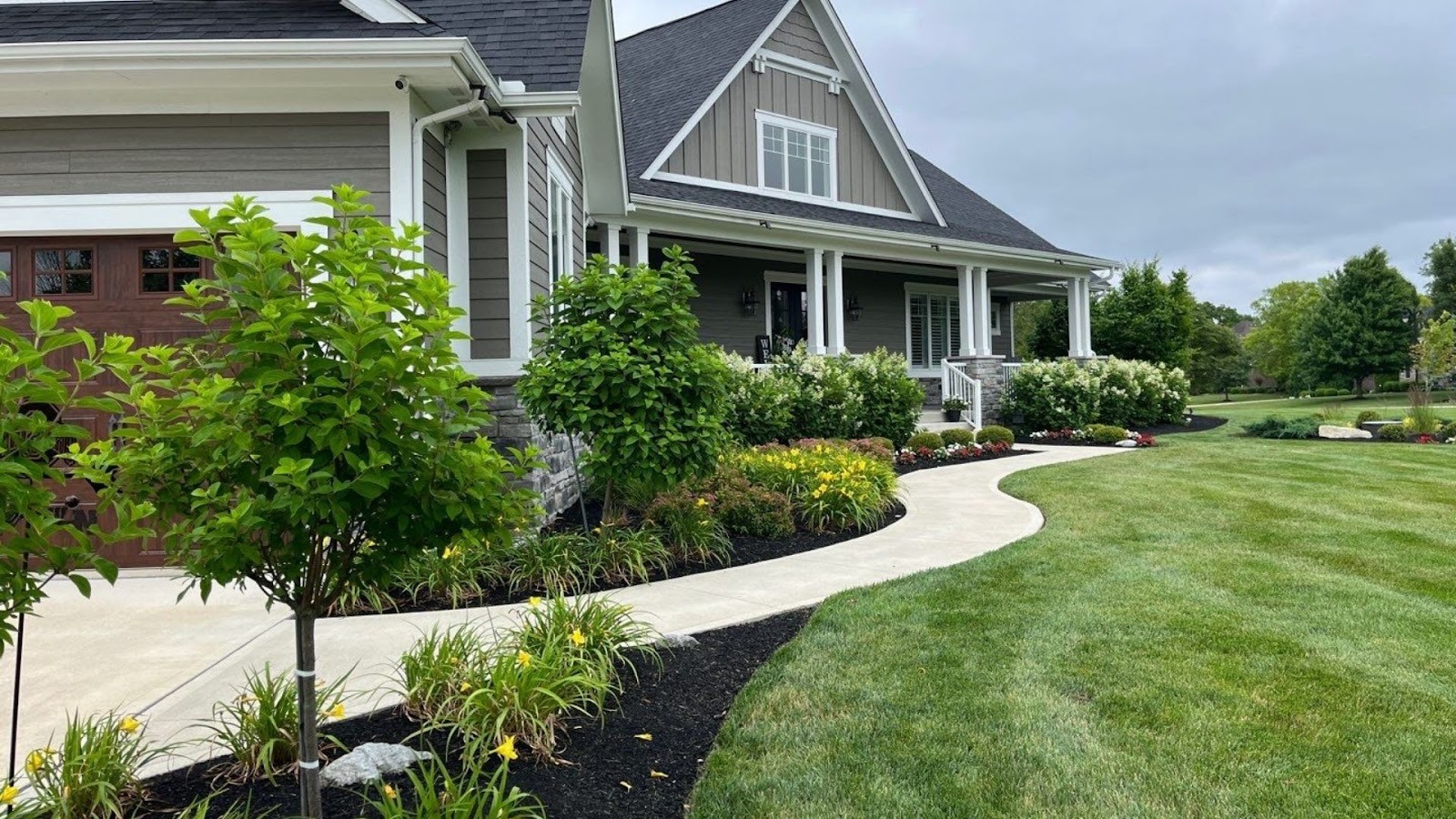
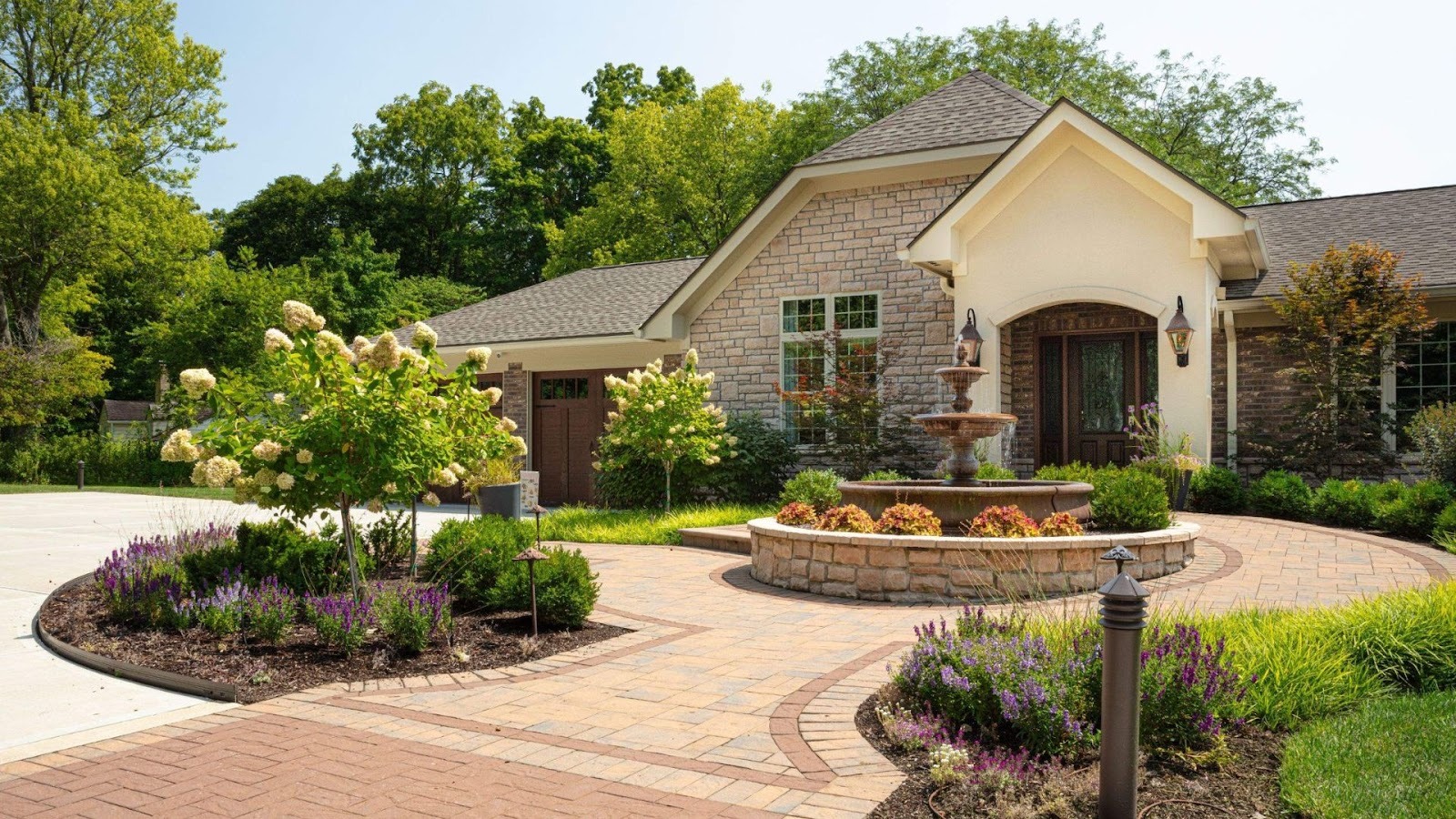
Your front yard is the part of your property that the world sees first. It sets the tone and should create an inviting, welcoming space from the moment you arrive home. The design should feel intentional and comfortable, something that makes people slow down as they pass. Think clean lines, thoughtful plant placement and a landscape that frames your home rather than competing with it.
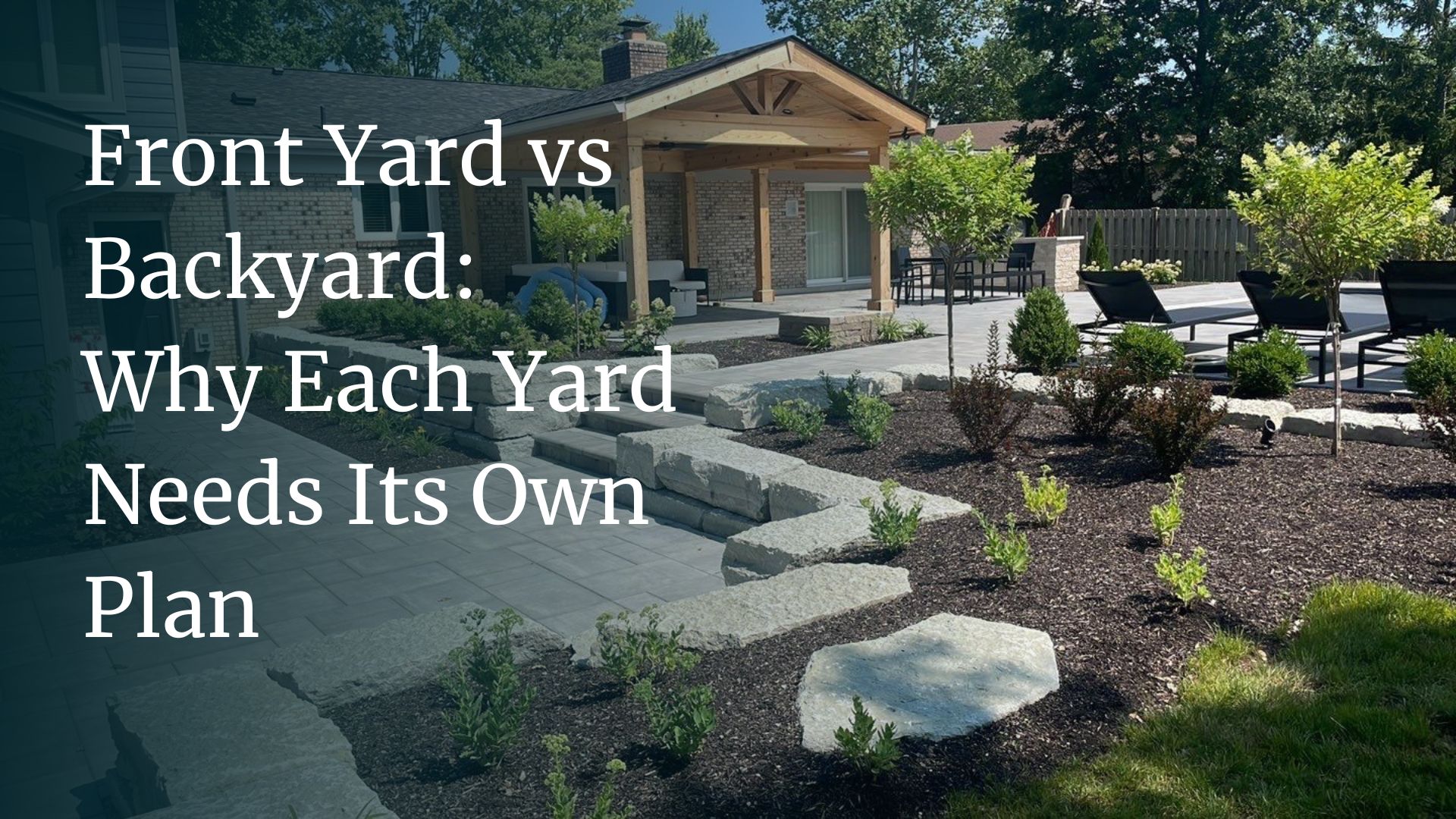
Your backyard is the opposite. It’s the space you actually live in. Morning coffee on the patio. Kids running around. Evenings around a fire. It’s private and built for your day-to-day routines, not the neighbors driving by.
The backyard needs to work for you. It has to accommodate how your family moves through the space, where you want to sit, where you need shade and how much maintenance you’re willing to commit to. This is where function drives every decision.
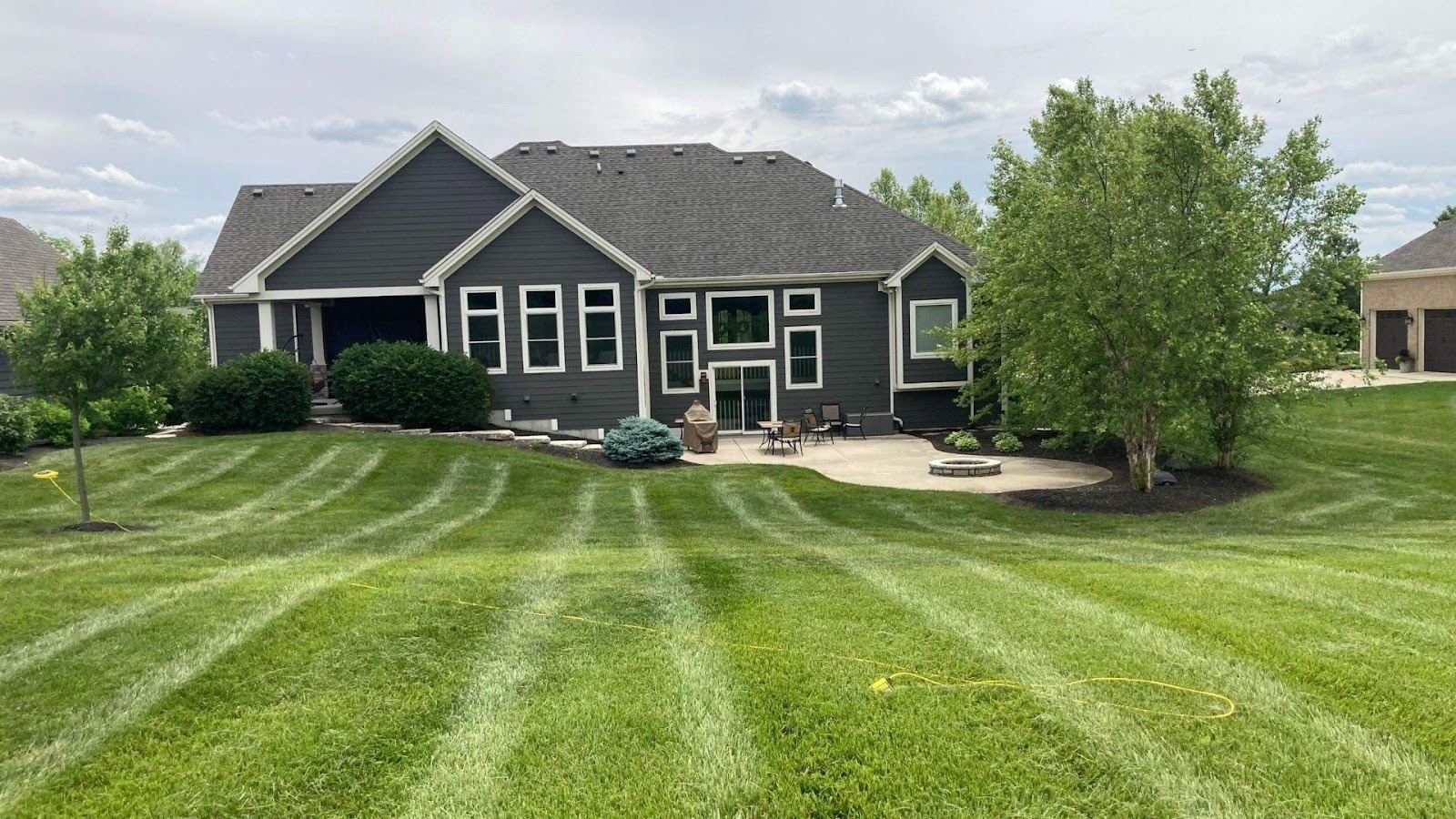
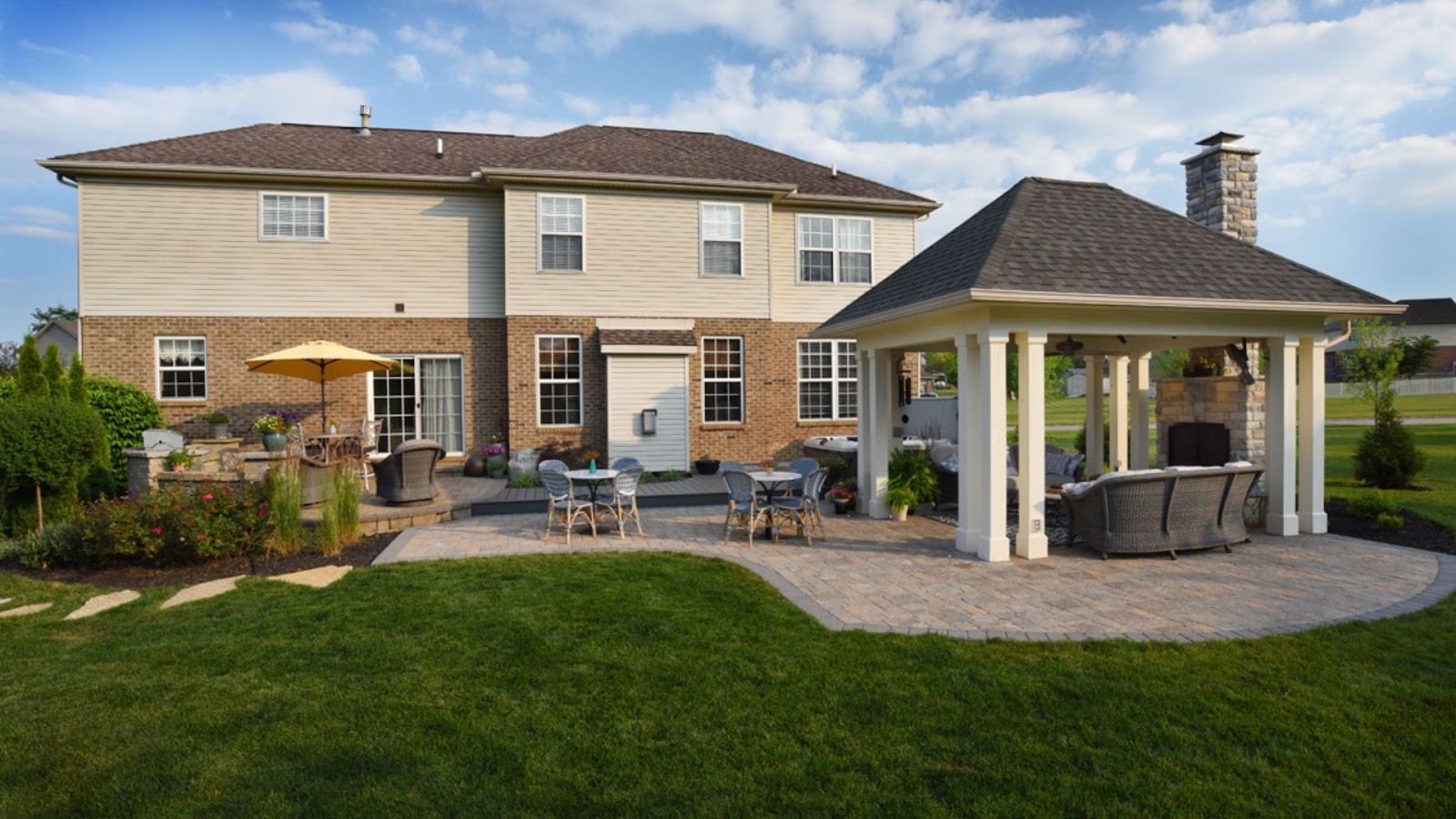
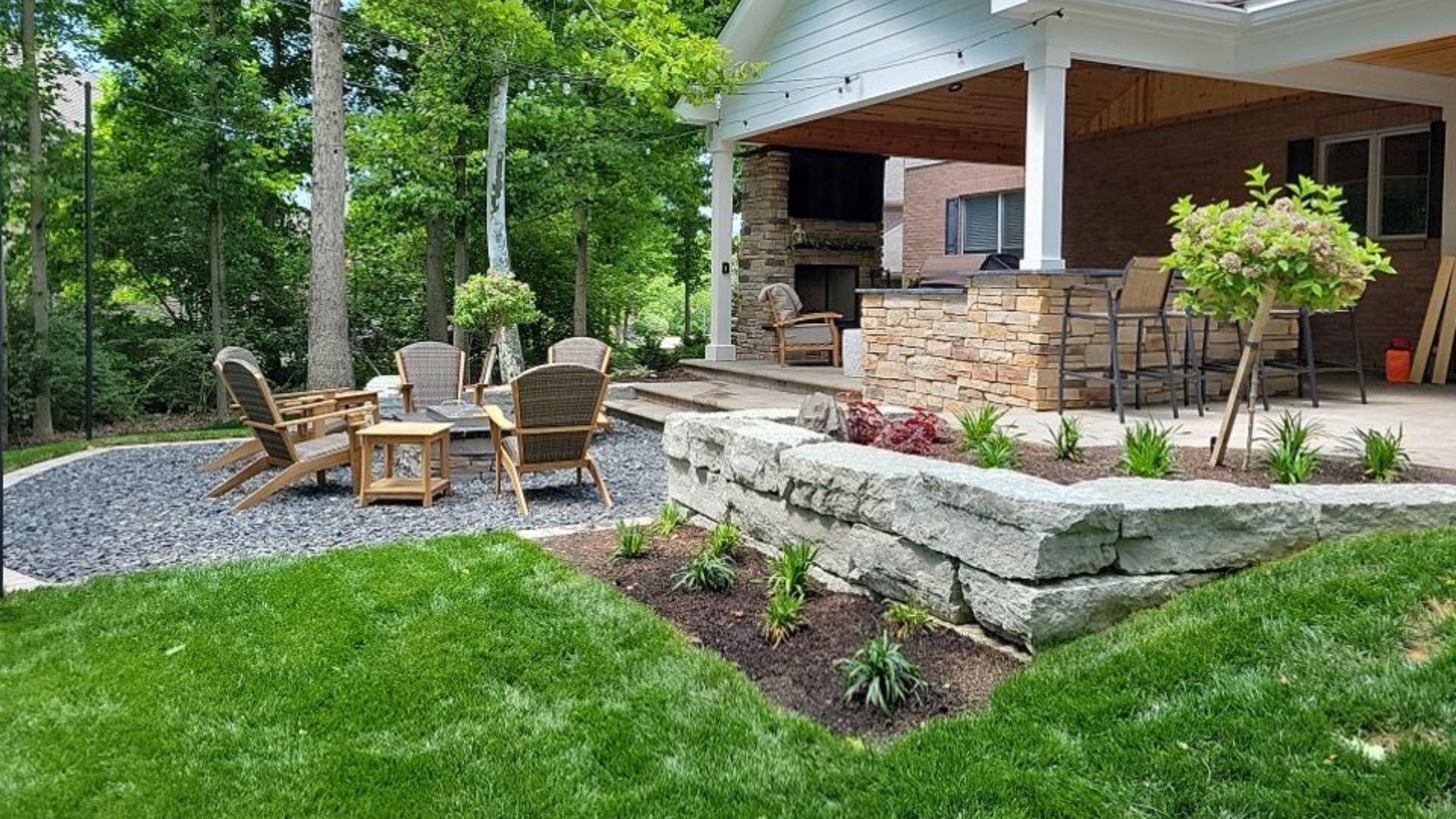
Check out these photos of how we helped transform this family’s backyard into something they can use for years to come.
If you approach both areas with the same priorities, you end up with a front yard that’s too busy and a backyard that doesn’t function the way you need it to. A front yard designed for “living” can feel cluttered and confusing from the curb. A backyard designed like a showpiece might photograph well but fail the moment you try to use it for a summer barbecue or let the dog out in the morning.
Each space deserves its own plan, its own purpose and its own strategy. That’s the key to creating a property that looks great from the street and works beautifully for real life.

What Makes the Front Yard Unique
Your front yard has one job: set the tone for everything else. Before anyone steps through your door, the front landscape tells a story about your home: its style, its character and the level of care you’ve put into the property.
Priorities That Matter in the Front Yard
Front yard design shouldn’t focus on stuffing as many plants or features as possible into the space. It should focus on the elements that actually matter, like function, textures and year-round appeal.
Here are some good places to start with front yard design:
- Clear navigation from curb to front door: If visitors (or delivery drivers) have to guess which way to go, the design isn’t working. A clear, comfortable path, wide enough, well-placed and easy to follow instantly improves the experience.
- Low-maintenance, high-impact plantings: Front yards should look good without constant upkeep. Think structural shrubs, tidy ornamental grasses and reliable perennials that offer texture and form without demanding nonstop attention.
- Seasonal color that doesn’t overwhelm: A little color goes a long way. The best front yard displays use seasonal pops (spring bulbs, summer blooms, fall foliage) without turning the space into a full-time garden project.
- Lighting for safety and aesthetics: Good lighting pulls double duty: It highlights key architectural features and plantings, but it also keeps walkways easy to navigate after dark.
- HOA or municipal considerations: Front yards are public-facing, which means they often come with rules. Plant heights, setbacks, hardscape materials, even lighting placement can all be regulated. A smart design works within the guidelines so you don’t run into surprises down the road.
Common Front Yard Mistakes
Most front yard issues come from good intentions taken in the wrong direction. Homeowners want impact, color or privacy. But without a plan, the results can work against the home instead of elevating it. Here are the mistakes that we see show up again and again.
- Overplanting: Cramming too many plants into a small space makes the front yard feel cluttered and chaotic. Instead of creating richness, it actually hides the architecture and overwhelms the entry. Less, but well chosen, is almost always more in a front-facing space.
- Ignoring scale: A foundation bed full of tiny plants in front of a two-story home gets visually lost. On the flip side, oversized shrubs shoved against the siding quickly feel out of balance. Scale (matching plant size and form to the home) is one of the most common things to get wrong, but also one of the quickest fixes to elevate curb appeal.
- Planting for July instead of year-round structure: It’s easy to get excited about summer blooms, but front yards need to look good in every season. Without evergreen structure, interesting foliage or plants that carry form through winter, the yard looks bare the moment the flowers fade. Strong bones matter more than peak-season color.
- Using plants that fail in high-visibility zones: Front yards can have harsh conditions like full sun, reflected heat, wind, foot traffic, salt and constant visibility. Choosing plants that can’t handle those conditions means you end up with dead patches, thinning shrubs or high-maintenance divas that need constant attention. High-visibility zones require durable, proven performers.
The Backyard Has a Completely Different Job
If the front yard is about making a strong first impression, the backyard is about actually living in your space. This is where your daily routines happen: coffee in the morning, kids playing after school, dinners on the patio, late-night conversations around a fire. It doesn’t need to impress the neighborhood; it needs to work for you.
The backyard is where function comes first. Instead of worrying about curb appeal, you’re thinking about how you’ll use the space day to day. That’s why backyard design focuses on creating “outdoor rooms,” areas that serve specific purposes and make the space feel intentional.
Think about:
- Patios big enough to actually use.
- Outdoor kitchens for real cooking, not just a grill shoved in a corner.
- Pools or hot tubs placed where they make sense, not just where there’s leftover space.
- Fire features that anchor gatherings and extend the season.
When these spaces are designed thoughtfully, the backyard becomes a true extension of the home.
Priorities That Matter in the Backyard
A backyard succeeds when it supports the way you actually use it. The best designs start with function, then build beauty around it. Here are some of the elements that matter most.
Function First: Dining, Lounging, Kids, Pets
Before choosing a single plant, you need to decide what the space needs to do.
- Do you host dinners outside?
- Do you want a lounging area separate from the dining space?
- Do your kids need room to run?
- Do you have pets that will be tearing through the yard?
If the layout doesn’t match the lifestyle, the yard will never feel quite right. Function is the foundation of every good backyard design.
Traffic Flow
Backyards fall apart when people have to zigzag around furniture, step through mulch beds or squeeze past grill areas. You need clear, intuitive routes from inside the house to the patio, from dining to lounging and from yard to driveway. When traffic flow works, the entire space feels bigger and more usable.
Screening Neighbors
Privacy changes everything. Without it, backyards feel exposed and uncomfortable. With it, they feel like a retreat.
Strategic screening, using trees, evergreens, ornamental grasses, fencing or even grade changes, creates separation without feeling boxed in.
Durable Plantings That Can Handle Activity
Backyards take a beating. Kids, pets, entertaining, sports, foot traffic… Your plant choices need to match that reality. Choose varieties that look good but won’t fold after one season of heavy use. Tough, resilient plants keep the space looking clean and intentional year after year.
Drainage (Often the Hidden Factor That Makes or Breaks a Backyard)
This is the piece homeowners underestimate: Poor drainage ruins patios, kills plants, floods low spots, breeds mosquitoes and turns the yard into a muddy mess. A great backyard design always starts with understanding how water moves on the property. When drainage is right, everything else can work the way it should.
Common Backyard Mistakes
Many backyard frustrations trace back to decisions made early on, or decisions that never got made at all. Here are the mistakes that consistently limit how enjoyable and functional a space can be.
- Improper patio size: This is the most common pitfall of backyard design. Homeowners often build patios that are far too small, leaving no room for a dining table, chairs pulled out, a grill or a separate lounge area. If you can’t move around comfortably once furniture is in place, the patio isn’t doing its job. A well-designed patio should have enough space for you and your guests to move around and enjoy comfortably.
- No shade planning: A beautiful patio is useless if you can’t sit on it from June through September without suffering heatstroke. Shade has to be part of the design from the start, whether it’s provided by a pergola, a shade sail, a covered structure or strategically placed trees. Skipping this step is why so many backyards sit empty during the months when people want to use them most.
- Privacy added after the fact instead of being built into the design: When privacy isn’t planned early, homeowners end up patching the problem with random shrubs or a fence that doesn’t match anything else. It’s far better to integrate screening into the overall layout. You can place living areas where sightlines are naturally protected and use plantings or structures that look cohesive rather than reactive.
Front Yard vs Backyard: Why Treating Them Differently Matters
Front and backyards may sit a few steps apart, but they serve completely different roles. The front yard should feel clean, clear and welcoming from the street, while the backyard should feel comfortable, functional and built around how you actually live.
When each space gets a plan tailored to its purpose, your whole property becomes easier to maintain, more enjoyable to use and more aligned with the way your family likes to spend time. Thoughtful design is what turns outdoor spaces into places you truly love.Ready to design your front yard or backyard? Schedule a consultation today!