Three Key Takeaways:
- You deserve to be a collaborator, not just an approver: A truly effective landscape design process involves you from the very first conversation, shaping the direction together instead of reacting to a finished concept.
- Accurate site analysis sets the foundation for great design: Real measurements, elevations and on-site insights ensure your layout, drainage and features are grounded in what your property can actually support.
- Early conversations about lifestyle and budget create better outcomes: When your goals, timeline and investment range are discussed upfront, the final design reflects how you truly live and avoids costly redesigns later.
You know what you want your outdoor space to feel like. You may not know how to get there, what it costs or whether your yard can even support the ideas you have in mind. That’s exactly what a good design process should help you figure out, and it’s where most companies fall short.
Most homeowners go into the landscape design process expecting to collaborate and come out feeling like they just sat through a presentation. Someone shows you a plan. You react. You approve or you don’t. That’s not design; that’s a transaction. There’s a better way to do it and it starts long before anyone opens a design program.
Why Most People Feel Like Bystanders in Landscape Design
There’s a version of the landscape design process that goes like this: You share some inspiration photos, answer a few questions about your lifestyle and budget and then wait. A few weeks later, a designer comes back with a finished concept. It looks polished. But something feels off and you’re not quite sure how to articulate what isn’t working because you weren’t part of building it.
That disconnect is more common than it should be. And it usually isn’t about talent or materials or budget. It traces back to a process that treated you as an approver instead of a collaborator.
When a design is developed without you in the room, the result often reflects someone else’s interpretation of what you said you wanted. The space may check the boxes on paper, but it doesn’t quite feel like yours. That gap between what you described and what you actually meant is what a truly collaborative process is designed to close.
What Has to Happen Before Anyone Opens a Design Program
Before any design work begins at The Site Group, we spend time on your property gathering the information that makes everything else possible. That means actual measurements. Real elevations. A clear picture of how your space is laid out and where the constraints are.
This step isn’t glamorous, but it’s the foundation of every decision that follows. A design built on accurate site data is a design you can actually build. A design built on assumptions is a guess with good graphics.
How Elevation Changes Drainage and Affects Your Layout
Your yard isn’t flat, even when it looks like it is.
Grade changes affect where water moves and where it collects. They determine where hardscape can go and what kind of structural preparation is needed to make it last.
Understanding your site’s elevation before anything is designed means those realities are built into the plan from the start rather than discovered during construction.
On-Site Discovery vs. Inspiration Photos
Inspiration photos are a useful starting point. They help us understand the feeling you’re after, such as the mood, scale and style that resonate with you. But they can’t tell us where your utilities run or how your neighbors’ trees affect your light, what your sight lines look like from your kitchen window or whether or not you need to explore privacy screen solutions.
That’s what a site visit is for. The time we spend on your property before design begins is what allows us to bring your inspiration into reality rather than just approximate it.
The First Conversation Could Be More Important Than the First Sketch
After we’ve gathered site data, the next step is a conversation, not a presentation. We want to understand how you use your outdoor space now and how you want to use it. Who spends time out there and when? Whether you’re after a space for entertaining, a quiet place to decompress or something that works for both.
Questions to Discuss During Your Design Meeting
The questions that tend to matter most in a first design meeting aren’t about style preferences. They cover how you live and how you want to use your space. Here are some of the things worth discussing before any design work begins:
- How do you currently use your outdoor space and how do you want that to change?
- Do you host large groups or smaller, more intimate gatherings?
- Will kids or grandchildren be using the yard regularly?
- How important is low maintenance to you?
- Is there a timeline driving this project, like an event or a life change?
- What’s your budget range, and are you open to a phased approach if needed?
- Are there any parts of your current space you want to keep?
- What does success look like a year after the project is done?
Your answers to these questions shape the design criteria before a single concept is developed. That means when ideas start to take shape, they’re already grounded in your reality, not adjusted to fit it after the fact.
How Budget And Feasibility Fit Into The Conversation Early
One of the most frustrating things about the design process, for homeowners and designers alike, is getting deep into a concept only to discover it’s out of reach. At The Site Group, we address budget early because it’s not an awkward conversation. It’s a useful one.
Knowing your range helps us design to what’s actually achievable and gives you a realistic picture of what your investment can accomplish before you’re emotionally committed to a direction you can’t execute.
The Collaborative Landscape Design Process
A common approach in the industry is to develop two or three design concepts and present them at a meeting. You pick the one that’s closest to what you want and the designer refines from there. That’s better than nothing, but it still puts you at the end of the process rather than inside it.
Our approach is different. Rather than developing concepts in isolation and presenting them for approval, we work through the design direction with you. The conversation about what belongs in your space happens before the rendering, not after.
The 2D conceptual conversation is where your space starts to take shape. We talk through the elements you want to include: the patio layout, the fireplace, the kitchen area and the plantings. And we work through how they relate to each other within the real constraints of your site. By the time we move into rendering, we already know what we’re building toward because we built the direction together.
What Changes When You Can See Your Space From Multiple Angles
Seeing your yard rendered in 3D from multiple viewpoints changes the conversation. Suddenly, you’re not trying to imagine whether something will work. You can see it.
You can evaluate how the space feels from the back door, from the seating area or from the street. And because the direction was shaped collaboratively, the rendering reflects something close to what you actually want rather than a starting point for negotiation.
You Should Be Involved in Your Landscape Design Process
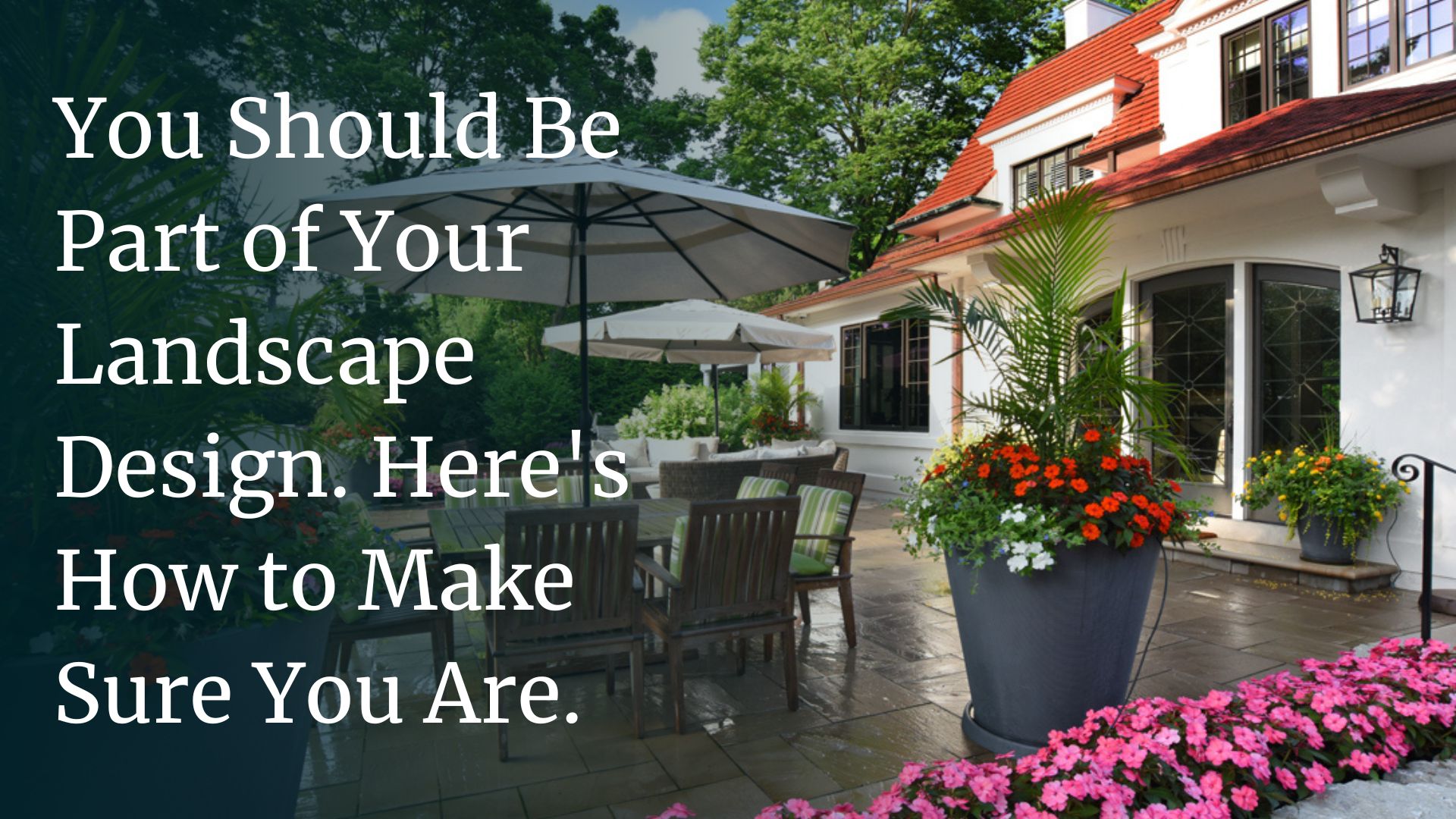
The landscape design process works best when you’re part of it from the start, not handed the result at the end. When the groundwork is done right, the finished space reflects how you actually want to live outdoors. That’s what we’re focused on at the Site Group and it’s what every project starts with.
Your outdoor space should work for your life, not just look good in a rendering. Let’s talk about what that means for your property.
Schedule your landscape design consultation with the Site Group today!