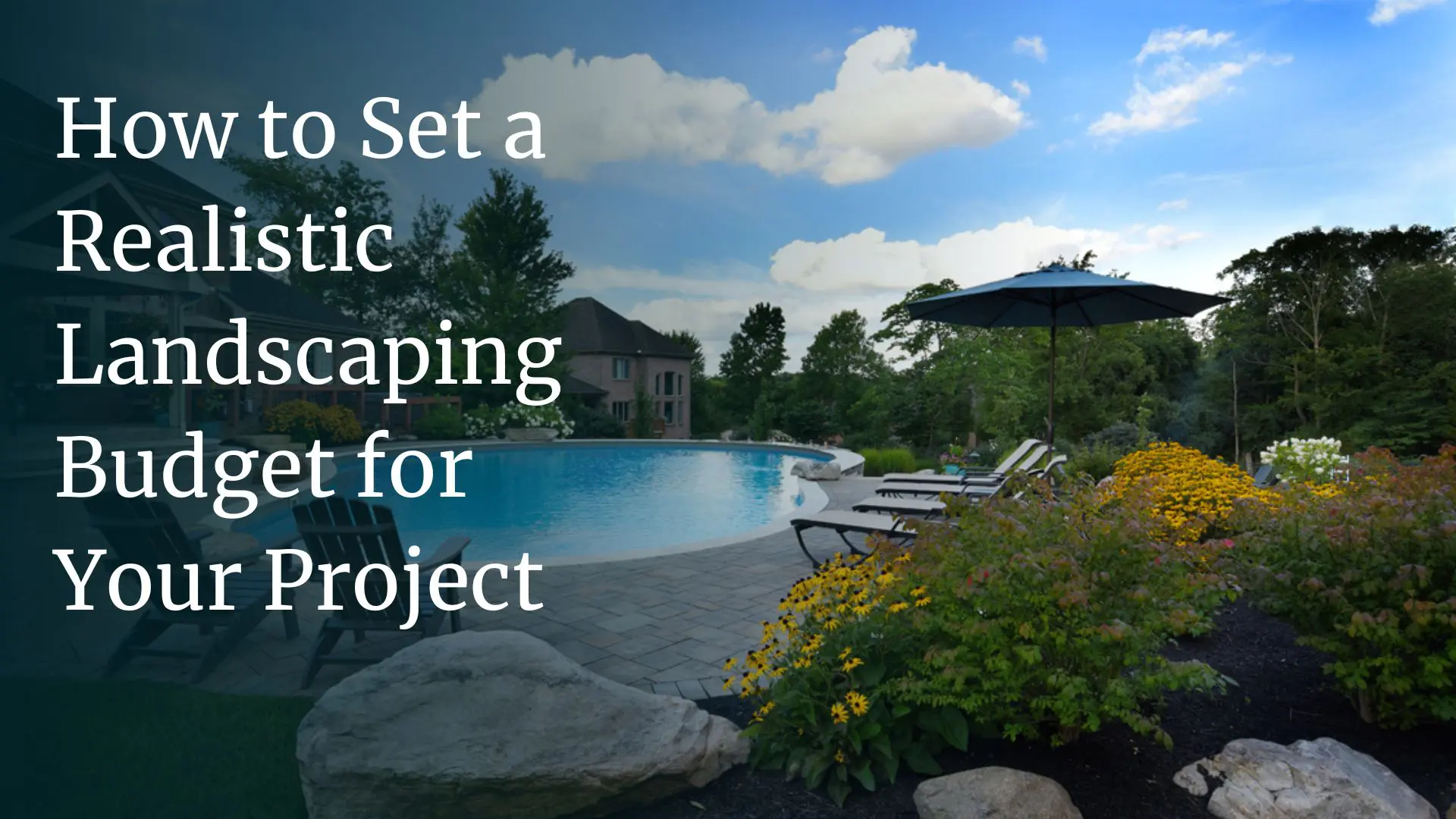
How much does a landscape project actually cost? It's the question every homeowner asks, and the one that often causes the most anxiety. You have a vision for your outdoor space, but without understanding real-world costs, it's impossible to know if your landscaping budget will get you there.
The truth is, landscaping budgets aren't one-size-fits-all. What you spend depends on your property, your goals and the quality of materials and craftsmanship you choose. At The Site Group, we believe in transparency about costs so you can make informed decisions from day one.
In this guide, we break down exactly what's included in a landscaping budget, what factors influence costs and how to determine the right investment for your project.
What Is Included in a Landscaping Budget?
A landscaping budget isn't just one number covering "the backyard." It's made up of distinct cost categories, each serving a specific purpose in bringing your outdoor space to life. Understanding these components helps you see where your investment goes and makes it easier to prioritize when decisions need to be made.
Design and Planning Fees
Professional design covers site analysis, conceptual drawings, detailed construction plans, material specifications and 3D renderings.
At The Site Group, we charge for design because it's where the real problem-solving happens. Things like figuring out drainage solutions before they become construction headaches and maximizing your property's potential before crews arrive.
You wouldn't build a custom home without an architect, and your landscape deserves the same level of professional planning.
Hardscape Materials and Installation
Hardscaping typically represents the largest portion of your landscaping budget, including patios, walkways, retaining walls, outdoor kitchens, fire features and pergolas. Material costs vary dramatically between basic concrete pavers and natural stone, or standard concrete and decorative options. Installation costs should reflect proper base preparation, precise grading, drainage integration and expert craftsmanship.
Softscape and Planting
Your planting budget covers trees, shrubs, perennials, annuals, groundcovers, mulch and soil amendments. Quality plants cost more upfront but establish faster and require less replacement. Professional installation ensures plants are positioned correctly for sun exposure, drainage and mature size, creating a landscape that looks intentional from day one.
Grading and Drainage Solutions
Proper grading directs water away from your home and prevents standing water. Drainage solutions might include French drains, catch basins, dry wells or regrading entire sections of your property. Skipping this step is one of the costliest mistakes homeowners make! Poor drainage ruins patios, kills plants and creates erosion that could affect your foundation.
Lighting Systems
Landscape lighting extends usability into evening hours, highlights features and plantings, improves safety, and creates ambiance. Your budget covers fixtures, transformers, wiring and installation labor. Quality low-voltage LED systems last for years with minimal maintenance and work together as a cohesive system rather than random spotlights.
Irrigation and Water Features
Irrigation systems keep your landscape healthy without constant manual watering. Costs vary based on property size, plant types and system complexity. Water features like fountains, ponds or waterfalls add another dimension but require planning for pumps, filtration, electrical connections and ongoing maintenance.
Site Preparation and Demolition
Before new construction begins, existing elements often need removal: old patios, decking, plantings, trees or structures. Demolition and hauling costs depend on what needs to go and how difficult the removal is. Site preparation also includes protecting existing elements you want to keep and establishing equipment-access routes.
Permits and Engineering
Some projects require permits, inspections or engineering stamps for retaining walls, structures, electrical work, gas lines or significant grading. The Site Group handles permitting coordination as part of our process, preventing delays and ensuring everything meets code.
Project Management and Communication
Professional project management covers coordination between teams, material ordering, subcontractor management, quality control and client communication. As a client of The Site Group, you will have one clear point of contact throughout the entire process. We handle all the complexity so you can focus on watching your outdoor space come to life and always know who to call when you have a question.
Contingency and Adjustments
Build in a 10 to 15 percent contingency fund for unforeseen site conditions like unexpected rock or underground utilities, weather delays, material availability issues or minor scope adjustments. This acknowledges that outdoor construction involves variables that can't always be predicted during planning.
Long-Term Maintenance Planning
Your landscaping budget should account for ongoing care. New plantings need regular watering during establishment, hardscaping may need seasonal sealing, irrigation systems require winterization and lighting needs occasional bulb replacement. Take these ongoing costs into consideration when planning your landscaping budget and project.
Understanding What Influences Your Landscaping Budget
Before you can set a number, you need to understand what drives costs in landscape construction. This isn't like buying furniture where you know the price upfront. Every property is different, and your choices dramatically impact the final investment.
Project Scope and Complexity
Scope determines everything when it comes to your landscaping budget. The more elements you add, the more design complexity, material costs, labor and coordination required.
Material Selection
Material choices significantly impact your landscaping budget, often representing 40 to 50 percent of total project costs.
- Pavers vs. Natural Stone: Standard concrete pavers are typically a more budget-conscious option and still offer solid durability for outdoor spaces. Natural stone, on the other hand, is a higher-end investment that delivers a more unique, timeless look and often lasts significantly longer.
- Segmental Block Walls vs. Natural Stone Walls: Modular block retaining walls are generally more cost-efficient and quicker to install, making them a practical choice for many projects. Natural stone walls require more craftsmanship and time, but the result is a premium, one-of-a-kind feature that can last for generations.
- Wood Decking vs. Composite Decking: Pressure-treated wood is typically the lower upfront investment, but it comes with ongoing maintenance like staining and sealing. Composite decking costs more initially but reduces long-term maintenance and holds up well over time.
- Young Trees vs. Mature Specimen Trees: Smaller, container-grown trees are more economical and will grow into the space over time. Larger specimen trees require a higher upfront investment but provide immediate visual impact and a more established landscape from day one.
Upgraded materials often provide better longevity and lower maintenance, making them smart long-term investments even if initial costs are higher. Learn more about making smart choices in our guide to the best patio materials for Ohio.
Site Conditions
Existing site conditions can add lots to your landscaping budget. Grading challenges, drainage issues, difficult equipment access, removal of existing structures, poor soil conditions, tree protection and utility relocations all drive costs. These are real conditions that must be addressed for your project to succeed.
At The Site Group, we conduct comprehensive site assessments during discovery to identify these conditions early, so they're built into the plan and budget from the start.
Design Fees
Professional design isn't free, but it's an investment that prevents costly mistakes. Quality design-build firms charge for design time because it's where the real value gets created: solving problems before construction begins, maximizing your investment and ensuring everything works together cohesively. At The Site Group, our landscape design process eliminates guesswork and gives you confidence that what gets built will match your vision.
Labor and Expertise
Skilled craftsmanship costs more, but it delivers results that last. The difference between experienced professionals and lower-cost alternatives shows up in perfectly level patios with proper drainage, retaining walls built to engineering standards and construction that looks as good in year 10 as it did on day one.
What Does a Typical Landscaping Budget Look Like?
Understanding what different budget ranges typically deliver helps you set realistic expectations and prioritize your goals. These are general examples, not quotes, because every project is unique and actual costs depend on your specific site conditions, material choices and design complexity.
Entry-Level Projects ($25,000 to $50,000)
This range typically includes smaller patio installations, basic walkways, foundation plantings, some lighting and simple grading improvements. You might get a 300- to 400-square-foot patio with quality pavers, updated beds along the front of your home or a fire pit area with surrounding seating space. This is good for homeowners looking to improve a specific area without full property transformation. Maybe you’re trying to solve one problem or create one functional outdoor zone.
Mid-Range Projects ($50,000 to $100,000)
This range typically allows for creating a functional outdoor living area with good materials and thoughtful design. Projects may include:
- A more substantial patio (500 to 800 square feet) with quality materials
- Fire feature for gathering
- Upgraded plantings and beds throughout key areas
- Comprehensive lighting plan
- Some privacy screening
You're creating a cohesive outdoor living space that connects to your home and supports how you actually want to use your yard.
Large-Scale Projects ($100,000 to $250,000+)
This is where full property transformations happen. Comprehensive outdoor living projects include multiple zones for different activities, outdoor kitchens with high-end appliances, covered structures like pergolas or pavilions, pools or spas, extensive hardscaping with premium materials, integrated lighting and sound systems, professional landscaping throughout the property and water features. At this investment level, you're creating a true outdoor resort experience tailored specifically to your lifestyle, with attention to every detail from drainage to ambiance.
For more detailed pricing information and factors that influence costs, visit The Site Group's landscaping cost guide.
How to Determine YOUR Landscaping Budget
Understanding typical budget ranges is helpful, but now you need to figure out the right number for your specific project. Here are some actionable steps to establish a realistic landscaping budget that aligns with your goals and property.
Start With Your Goals, Not a Number
Most homeowners approach budgeting backwards. They pick a number first, then try to fit their dreams into it. A better approach is to define what you actually want to accomplish before worrying about cost.
- What problems are you solving?
- How do you want to use the space?
- What's non-negotiable versus nice to have?
Once you're clear on your priorities, you can explore what it takes to achieve them and make informed decisions about where to invest, where to compromise and whether phasing makes sense.
Assess Your Property
Your property's size, current condition and desired changes all influence your landscaping budget. A quarter-acre lot requires a different investment than two acres. A blank slate is different from a property with mature trees, existing hardscaping or drainage problems that need addressing.
Walk your property and take inventory:
- What exists now?
- What needs to go?
- What challenges does the site present (steep slopes, poor drainage, lack of privacy, difficult access)?
The more honestly you assess your starting point, the more realistic your budget becomes.
Research Realistic Costs
Do your homework before setting a number. Look at similar projects in your area, talk to neighbors who've completed landscape work, read cost guides and schedule consultations with professional firms. The more educated you are about real-world costs, the better you can plan.
Build in Contingency
Always add 10 to 15 percent contingency to your landscaping budget for unexpected conditions or scope adjustments. Outdoor construction involves variables that can't always be predicted: rock where you expected soil, utility lines not shown on property maps, drainage issues discovered during excavation or material availability delays. This buffer prevents stress when unforeseen issues arise. And they often do.
Explore Phasing Options
Phasing allows you to achieve your vision over time without compromising design integrity. Rather than building half a patio now and trying to add to it later, smart phasing creates complete, functional outdoor spaces in stages while setting up infrastructure for future additions.
For example, Phase One might include the main patio and fire feature with basic landscaping, while Phase Two adds the outdoor kitchen and upgraded plantings. Each phase delivers immediate enjoyment while moving toward your ultimate vision.
The Site Group specializes in planning phased landscape projects so each phase is complete and functional on its own, with utilities, drainage and structural elements positioned to support future work. This approach lets you spread investment across multiple years or seasons while maintaining design cohesion and avoiding expensive do-overs.
Options to Allocate Your Landscaping Budget
Once you've determined your overall landscaping budget, the next question is how to allocate those dollars across different elements of your project. Different allocation strategies create different outcomes, and understanding your options helps you prioritize what matters most.
Common Budget Allocation Approaches
The Hardscape-First Approach (60 to 70 percent hardscape, 20 to 30 percent softscape, 10 percent lighting/extras)
- Prioritizes patios, walkways, retaining walls and built structures
- Creates the functional "bones" of your outdoor living space
- Best for properties where usable outdoor space is the primary goal
- Allows for adding plantings and refinements over time
The Balanced Approach (50 percent hardscape, 30 percent softscape, 20 percent lighting/features)
- Splits investment between built structures and living elements
- Creates immediate visual impact with mature plantings alongside quality hardscaping
- Includes proper lighting and at least one feature element like fire or water
The Living Landscape Approach (30 to 40 percent hardscape, 50 to 60 percent softscape, 10 percent lighting)
- Emphasizes plantings, trees, beds and garden elements
- Includes essential patios and walkways but keeps them simpler
- Best for homeowners who value gardens and natural spaces over entertaining infrastructure
- Creates lush, verdant outdoor environments with multiple planting layers
The Showcase Approach (40 percent hardscape, 30 percent softscape, 30 percent lighting/features/automation)
- Invests heavily in wow-factor elements: integrated lighting, water features, sound systems, fire features
- Creates resort-like ambiance with emphasis on experience and atmosphere
- Includes smart controls, architectural lighting and premium finishes
- Best for properties where entertaining and visual impact are top priorities
Landscaping Budget and Planning: Next Steps
A realistic landscaping budget starts with honest information about what things actually cost and how your choices impact the final investment. When you understand what's included, what drives costs and how to allocate strategically, you can plan confidently and avoid expensive surprises.At The Site Group, we help homeowners navigate budgeting with transparency and expertise.
Schedule a consultation today to discuss your project and get clear answers about what your vision will cost.