Three Key Takeaways:
- Pool and patio work planned as one project prevents the mismatched grading, drainage conflicts and design clashes that show up when the two are built separately.
- A single point of contact across design, pool construction and hardscape keeps schedules, materials and inspections aligned instead of leaving you to manage multiple crews yourself.
- Ongoing care belongs in the same conversation as the build. A pool patio contractor homeowners can call for maintenance is worth more than one who disappears after the final walkthrough.
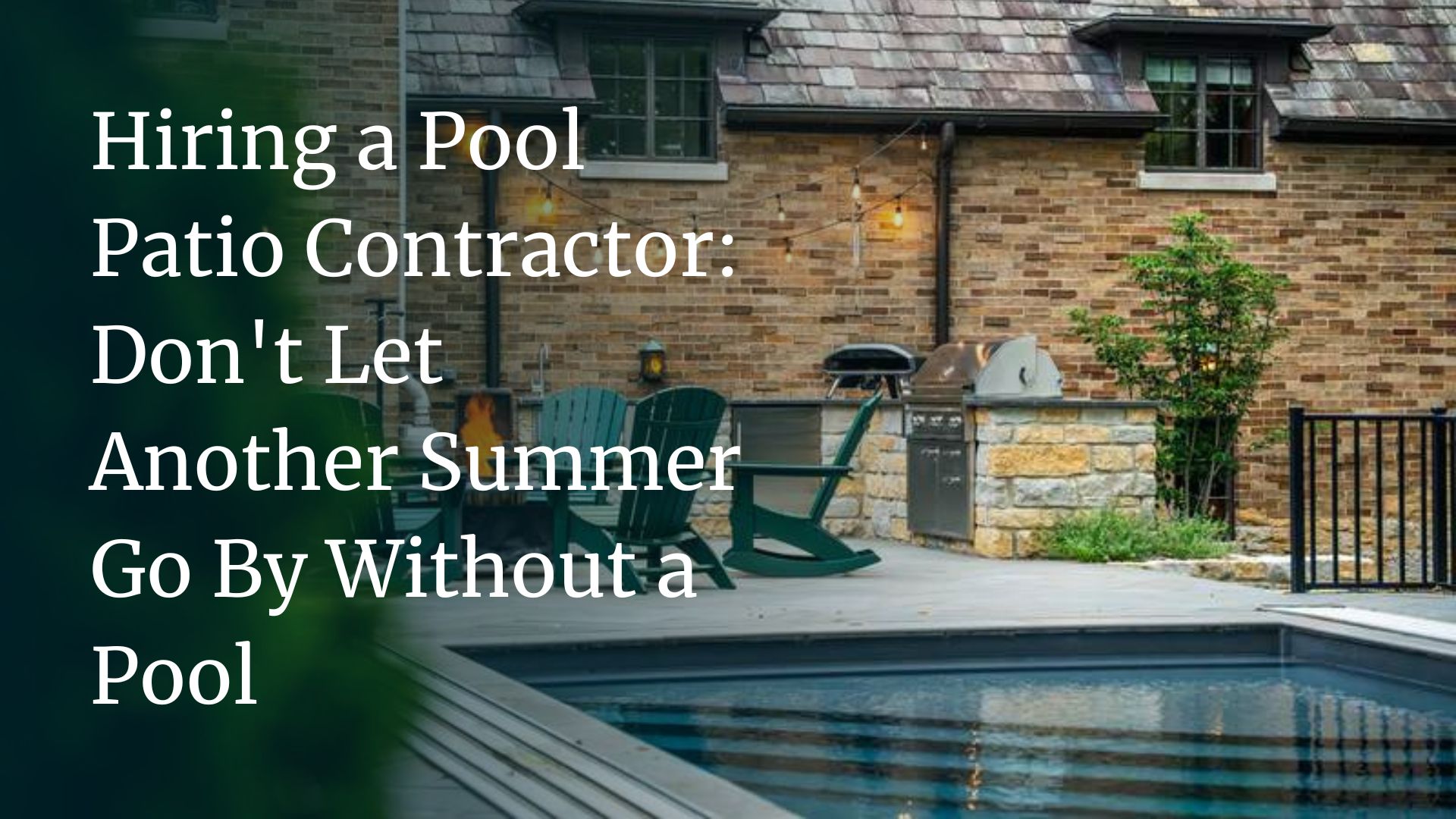
Most homeowners think hiring a pool patio contractor just means picking a pool shape and a paver color. In reality, the biggest decisions happen before either one is chosen. A pool crew and a patio crew who never talk to each other is exactly how backyard projects end up disjointed, delayed and disappointing.
A pool is a permanent structural feature. It sets the grade, the drainage path and the load-bearing conditions for everything built around it. If the patio design comes later, as an afterthought bolted onto whatever the pool crew left behind, you inherit their mistakes. So the real question isn’t which pool shape looks best in a brochure. It’s how many more summers you’re willing to watch go by without the backyard you keep talking about.
What Does a Good Pool Patio Contractor in Dayton, Ohio Do?
A good pool patio contractor in Dayton, Ohio designs and builds the pool and the surrounding hardscape as one connected project, bringing the right specialists together under a single plan instead of leaving homeowners to manage separate contractors themselves. The Site Group is a landscape design-build firm serving the Miami Valley that manages design, construction and ongoing maintenance for pool and patio projects from the first sketch through years of upkeep.
That scope typically includes:
- Site analysis and grading to make sure water moves away from the house and the pool deck instead of pooling on it
- Pool shell selection and placement based on the property’s slope, soil and sun exposure
- Coping, decking and patio material selection that’s chosen alongside the pool, not after it
- Lighting, seating walls and shade structures built into the same design
- Utility coordination for pool equipment, electrical and any outdoor kitchen or fire feature
- A maintenance plan for both the pool and the hardscape once construction wraps
When no single team is coordinating the entire project, the homeowner can end up acting as the general contractor, connecting the pool installer, landscape contractor, hardscape crew and other specialists themselves.
Why a Pool and a Patio Should Be Designed as One Project, Not Two
A pool and a patio should be designed together because the pool shell dictates the grading, drainage slope and structural loading the patio has to work around, and patio decisions like coping height, seating walls and shade placement change how the pool itself gets built. Treating them as two separate jobs forces one crew to guess at the other’s plan.
Coping is the clearest example. The material and height of the coping around a pool has to be decided before the deck is poured or the pavers are set, because it determines the finished elevation of the entire patio surface.
Drainage works the same way: The patio has to slope away from the pool at a rate that keeps water from sheeting back toward the coping, which means the patio grading plan and the pool grading plan are really one plan, not two.
This is also where a single point of contact across a design-build project earns its keep. When one team owns both the pool and the patio, decisions get made once instead of being relegated between two contractors who never see each other’s drawings.
If you already have a rough idea of what you want but need help turning it into an actual plan, our guide on how to design an outdoor living space walks through that first step in more detail.
What Goes Wrong When Pool and Patio Work Are Handled by Different Crews
The most common failure point is sequencing: The pool contractor finishes first and hands you a backyard with exposed edges, mismatched grading and no patio plan, so the patio contractor who comes in weeks or months later is stuck working around decisions they had no input on. That often means redoing grading work that was already paid for once.
Beyond the rework, splitting the project usually means two separate contracts, two separate schedules and two separate points of blame if something goes wrong at the seam between the pool and the deck. Our breakdown of the hidden cost of hiring multiple landscaping contractors covers this pattern in more depth, but the short version is that the coordination gap almost always costs more than a design-build approach would have.
What to Expect During the Design and Build Process
A pool patio project moves through site analysis and design, permitting, excavation, pool construction and hardscape installation, usually in that order, with the patio work beginning once the pool structure is set and before it’s fully finished so the two can be tied together correctly. Expect several distinct phases rather than one continuous build.
The First Meeting and What It Should Cover
The first meeting with a pool patio contractor should cover your budget range, how you actually plan to use the space and a realistic look at your property’s grading, drainage and sun exposure, since all three shape what’s feasible before a single drawing is made.
In our experience, homeowners are often surprised that the first conversation is less about pool shapes and more about how the family actually uses the yard.
- Do you entertain large groups, or mostly relax with a few people?
- Do you want shade built in from day one, or will you add it later?
- Do you want amenities like an outdoor kitchen or fire feature?
Our guide to outdoor shade solutions is a useful reference if shade and comfort are part of that early conversation, since it affects where the patio, pergola or covered structure ends up relative to the pool.
These first meetings should also set expectations around timeline, permitting requirements for your municipality or HOA, and whether the project makes sense to build all at once or in phases.
Because a full pool and patio build is a significant undertaking, some homeowners choose to phase the project, completing the pool and core patio first and adding elements like an outdoor kitchen, fire feature or pergola in a later phase. Our article on multi-phase landscape projects explains how to plan a phased build so each stage still fits into one coherent design instead of feeling like separate add-ons.
If you’re weighing a patio against a pergola, screened porch or four-season room as part of the same space, this comparison of outdoor structures breaks down how each option fits with a pool patio layout.
How to Choose a Pool Patio Contractor You Can Trust With a Large Project
The right pool patio contractor is one who can show completed projects that combine pool and hardscape work, carries proper licensing and insurance for pool construction in your area and gives you a single point of contact throughout design, construction and maintenance rather than passing you between departments.
For a project of this size, credentials matter. A firm with a licensed landscape architect on staff brings design expertise that a purely construction-focused pool builder often can’t offer, particularly around grading, drainage and how the finished space will actually feel to use, not just how it looks in a rendering.
Questions to Ask Before You Sign a Contract
Before signing, ask a prospective pool patio contractor these questions:
- Which parts of the project do you handle directly, and which specialists do you coordinate?
- Who is my single point of contact once construction starts?
- What is the realistic timeline for my specific pool type and patio size, including permitting?
- What does your maintenance program include once the project is finished, and is it optional or built in?
- Can I see completed projects similar in scope to mine, including how the grading and drainage were handled?
A contractor who answers these clearly and specifically, rather than in vague generalities, is one you can trust with a project this size.
Ready for a Backyard You Actually Use This Summer?
A pool and patio built as one coordinated project, with one team handling design, construction and long-term care, is the difference between a backyard that feels finished and one that always feels like it’s missing something. The biggest risk is more than just picking the wrong pool shape. It’s letting the pool and patio decisions get made by two teams that never talk to each other.
If you’ve been meaning to start this project in another summer or two, the timeline math makes the case for starting now rather than waiting. Start now so your pool and patio are ready to enjoy sooner rather than later. Contact The Site Group to schedule a first meeting and get a realistic plan for your property.
Frequently Asked Questions
What is included in a pool patio contractor’s services in Dayton, Ohio?
A full-service pool patio contractor in Dayton, Ohio handles site analysis, pool design and construction, patio and hardscape installation, lighting and drainage coordination, and ongoing maintenance after the project is complete. The goal is one team managing every phase instead of a homeowner coordinating separate pool and patio contractors.
Why should a pool and patio be built by the same company?
Building a pool and patio through the same company keeps grading, drainage and coping decisions consistent across both, since the patio has to be designed around the pool’s structure and slope. Separate crews often make conflicting assumptions about grading and elevation, which leads to rework and gaps in the finished space.
Can pool and patio work be done in phases to spread out cost?
Yes. Many homeowners build the pool and core patio first and add elements like an outdoor kitchen, fire feature or pergola in a later phase. Planning the full design up front, even when construction happens in stages, keeps each phase consistent with the others instead of feeling like a separate add-on.